
Liquidity Grab Explained: The Complete Guide for Traders
You may have noticed a recent trend where stop-loss orders get “hit” just before a market makes a massive move in the direction you were hoping for. There is a sneaky mechanism at play here where large institutions are effectively “stealing” some of the liquidity for themselves, leaving you with the leftovers. This is no new phenomenon, and for the past 18 years professional traders have been learning the ins and outs of Liquidity Grabs – now it’s your turn to learn how to profit from them.

Key Takeaways
- Liquidity grabs are deliberate market moves where institutional traders target clusters of stop-losses and pending orders to create favorable entry conditions.
- Smart money concepts reveal institutional behavior through price action patterns that show where big players are accumulating or distributing positions.
- Identifying liquidity zones requires analyzing key support/resistance levels where retail traders typically place their stops and pending orders.
- Timing is everything – the best liquidity grabs happen during high-impact news releases or at key technical levels when maximum retail participation occurs.
- Prevention beats reaction – understanding these patterns helps you avoid being the liquidity provider and potentially profit from the moves.
What is a Liquidity Grab?
A liquidity grab is a deliberate price move — driven by institutional traders — designed to trigger clusters of retail stop-loss orders and pending orders sitting at predictable levels. The grab typically appears as a sharp spike beyond a key technical level (a previous high, low, or round number), followed by an immediate reversal. The purpose isn't to break through that level. It's to collect the liquidity sitting just beyond it.
Institutional players need this liquidity because they operate at a scale retail traders never encounter. When you're moving billions in position size, you can't simply click "buy" — you need counterparties willing to sell. Retail stop-losses provide exactly that. The moment those stops trigger, they hand institutional traders the fill they need to build or exit a position.
The pattern repeats because retail traders are predictable. They place stops below obvious support, above visible resistance, and at round numbers — the same levels, on the same logic, in the same places. Institutions know this. They've built entire execution strategies around it.
The real-world consequence most traders discover too late: a stop loss set at $50 doesn't always cost $50. During a liquidity grab, price moves fast. Execution slips. That $50 stop can trigger at $110 in actual loss — more than double — with no warning and no recourse from a broker who wasn't watching.
Understanding liquidity grabs doesn't just protect your stops. It puts you on the right side of the move that follows.
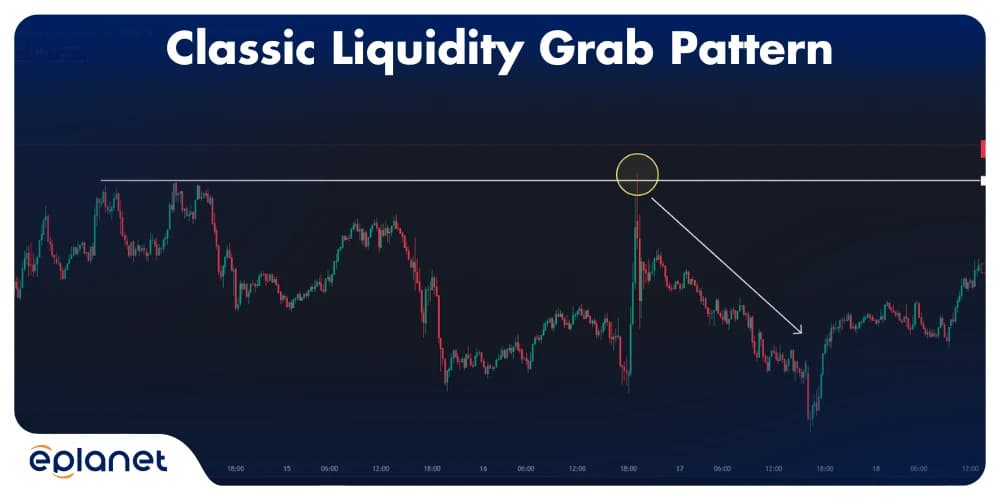
Smart Money Liquidity Concepts
Here's where things get interesting. Smart money doesn't just randomly grab liquidity – they follow specific behavioral patterns that you can actually learn to recognize. It's like learning to read poker tells, but instead of watching facial expressions, you're watching price action.
The Institutional Mindset
Institutional traders think differently than retail traders. While you might be happy with a 2% gain, they're moving billions and need substantial liquidity to enter and exit positions without causing massive slippage. They can't just click "buy" on a million shares – they need counterparties, and retail stop-losses provide exactly that.
I remember watching a EUR/USD chart during the London session once. Price was sitting right at a key support level, and you could practically feel the tension. Retail traders were long with stops just below support, while smart money was patiently waiting. Then boom – a quick spike down, thousands of stops triggered, and price reversed like nothing happened. Classic liquidity grab.
Market Structure Analysis
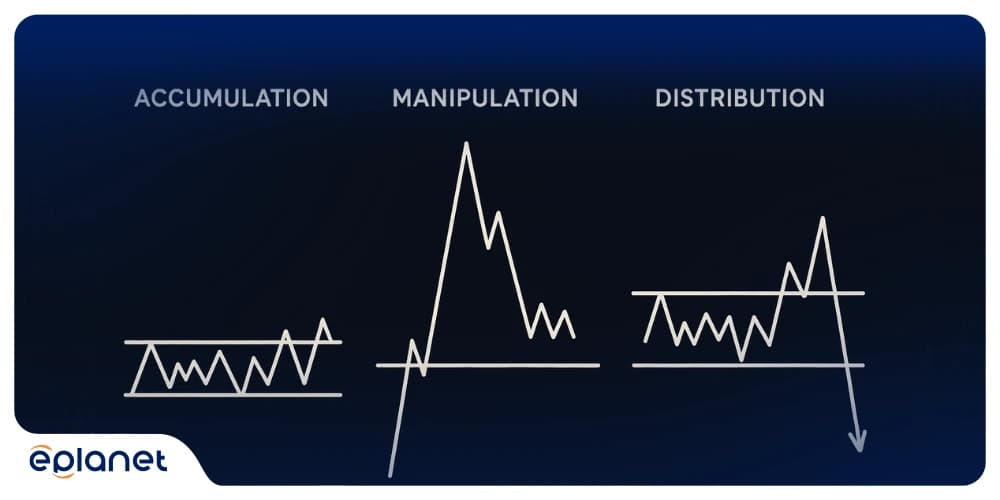
Understanding market structure is crucial for identifying potential liquidity grab scenarios. Institutional players typically operate in three distinct phases that flow seamlessly into each other.
During the accumulation phase, smart money quietly builds positions during low-volatility periods, often when retail traders are bored or distracted. This is followed by the manipulation phase, where the liquidity grab happens as price moves against the intended direction to trigger stops and grab liquidity. Finally, the distribution phase begins where the real move starts – smart money has their position, retail traders are out, and price moves in the intended direction.
Liquidity Grab Strategy
Now that you understand the concept, let's dive into practical strategies. Remember, the goal isn't to fight the institutions – it's to recognize their footprints and follow their lead.
Identifying High-Probability Setups
The most effective liquidity grab strategies focus on areas where retail traders predictably place their orders. These "liquidity pools" are like honey pots for institutional traders.
You'll want to pay close attention to previous day's high and low levels, weekly and monthly extremes, and those psychologically important round numbers like 1.2000 or 1.2500. Obvious support and resistance levels are also prime targets, along with equal highs or lows where multiple touches have created clear, well-defined levels that everyone can see.
The Setup Process
When I analyze charts for potential liquidity grabs, I follow a systematic approach that's helped me avoid countless false breakouts and even profit from some institutional moves.
First, I identify the liquidity zones. These are areas where retail traders are most likely to place stops. Think about it – if you were long EUR/USD and saw a clear support level, where would you put your stop? Probably just below that level, right? So would thousands of other traders.
Next, I look for signs of institutional interest. This might be repeated tests of a level, decreasing volume on each test, or price action that seems "too clean" – like it's being managed.
Finally, I watch for the trigger event. This could be news, a key time of day (like the London or New York open), or simply the accumulation of enough retail positions to make the grab worthwhile.
Liquidity Grab Forex Chart Examples
Let me walk you through some real-world examples that showcase how these patterns play out in the forex market.
Example 1: EUR/USD Daily Chart
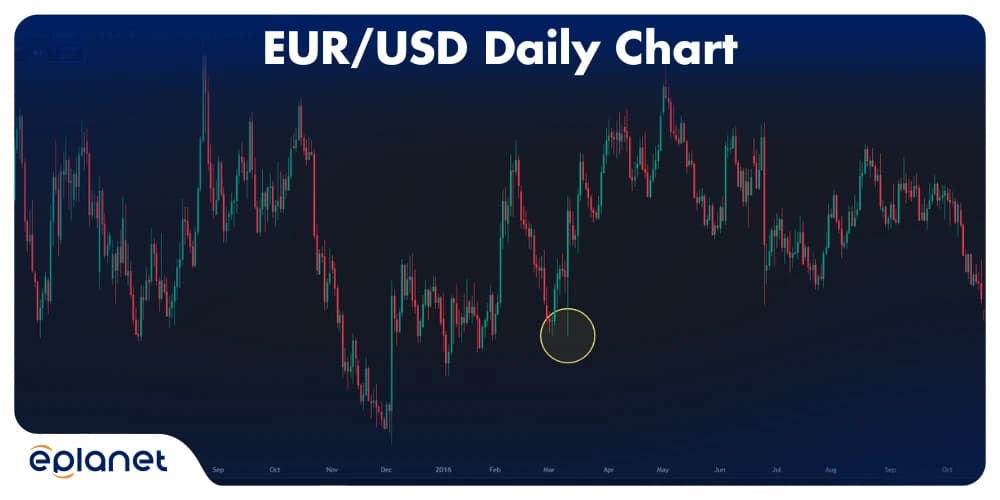
In this example, EUR/USD had been trending higher, creating a series of higher highs and higher lows. Retail traders were naturally bullish, placing stops below each swing low. Smart money identified the cluster of stops below the most recent swing low and executed a perfect liquidity grab.
Notice how price spiked down just far enough to trigger the stops, then immediately reversed. The volume spike during the grab confirms that significant liquidity was taken. What followed was a strong move higher – exactly what smart money intended.
Example 2: GBP/JPY 4-Hour Chart
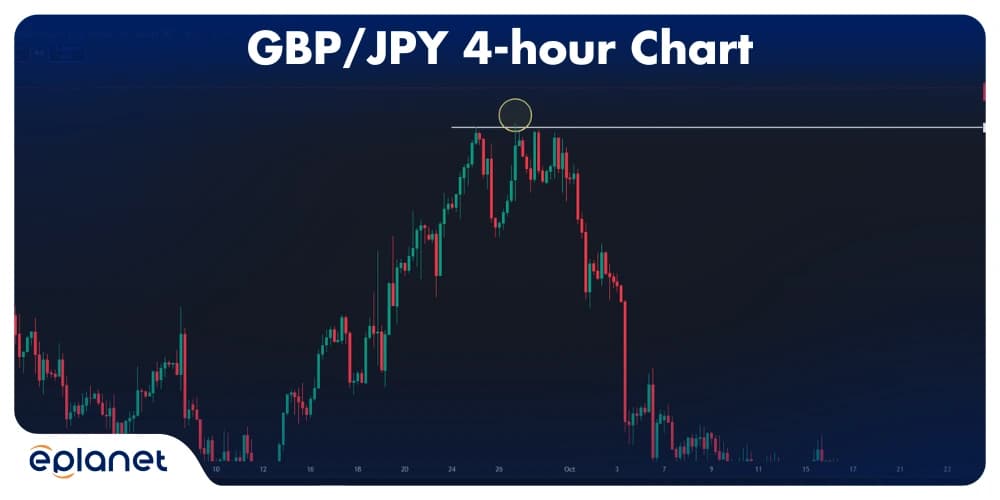
This GBP/JPY setup shows the flip side – a liquidity grab above resistance. Retail traders who were short had placed their stops above the obvious resistance level. Smart money swept these stops before initiating a strong downward move.
The key here is recognizing that the initial breakout was false. The quick reversal after hitting the stops is a dead giveaway that this was a liquidity grab rather than a genuine breakout.
What is the Difference Between a Liquidity Grab and a Liquidity Sweep?
The difference is speed and scale. A liquidity grab is sharp and aggressive — a fast spike targeting a single stop cluster, followed by immediate reversal, often lasting minutes to hours. A liquidity sweep is more methodical, working through multiple liquidity levels gradually over hours to days, often disguised as normal trending price action.
Liquidity Grab Characteristics
A liquidity grab is typically a sharp, aggressive move designed to quickly trigger stops and create instant liquidity. These moves are usually short-lived, lasting anywhere from minutes to hours, and are followed by immediate reversal. You'll notice they're accompanied by volume spikes and specifically target those obvious stop-loss levels where retail traders cluster their orders.
Liquidity Sweep Characteristics
A liquidity sweep, on the other hand, is more methodical. It’s like a slow-motion version of a grab, where price gradually works through multiple liquidity levels. These moves are more sustained, lasting hours to days, and take a methodical approach that’s often disguised as normal price movement. Instead of targeting a single liquidity pool, sweeps systematically work through multiple levels.
| Feature | Liquidity Grab | Liquidity Sweep |
|---|---|---|
| Speed | Very fast | Gradual |
| Duration | Minutes to hours | Hours to days |
| Reversal | Immediate | Delayed or none |
| Volume | Spike pattern | Steady increase |
| Target | Single liquidity pool | Multiple levels |
Liquidity Grab Indicator
While there's no magic indicator that screams "liquidity grab incoming," certain tools can help you identify potential setups. The key is combining multiple indicators with price action analysis.
Volume Analysis
Volume is your best friend when identifying liquidity grabs. Genuine breakouts typically maintain or increase volume, while liquidity grabs show a volume spike followed by declining volume as price reverses.
I use a simple volume indicator with a 20-period moving average. When volume spikes significantly above the average during a breakout, but then quickly falls back below average as price reverses, it's often a liquidity grab.
Market Profile Tools
Market profile indicators show where most trading activity occurs. Areas with high volume but few transactions often indicate institutional activity, while areas with low volume but many transactions suggest retail participation.
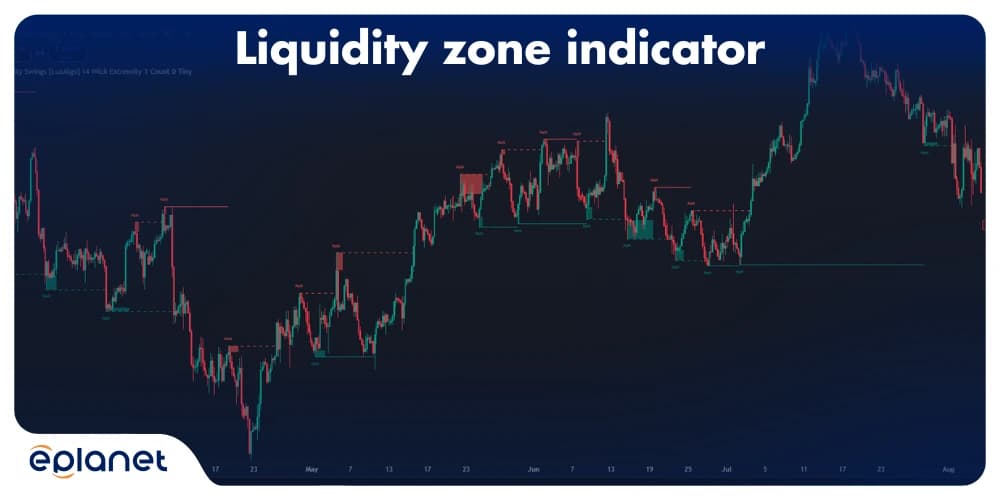
Custom Liquidity Indicators
Some traders create custom indicators that highlight potential liquidity zones. These typically mark:
- Previous day/week/month highs and lows
- Round number levels
- Areas of equal highs or lows
- Fibonacci retracement levels
Best Indicators for Spotting Liquidity Grabs
After years of analyzing these patterns, I've found that combining traditional indicators with price action analysis gives the best results. Here's my go-to setup:
Primary Indicators
Volume Weighted Average Price (VWAP): This shows where institutions are likely active. Price action around VWAP levels often precedes liquidity grabs.
Time and Sales Data: For those with access to level II data, watching the order flow can reveal institutional activity before it shows up on price charts.
Market Profile: Understanding where value is being accepted or rejected helps identify potential liquidity zones.
Secondary Indicators
Relative Strength Index (RSI): Divergences between price and RSI around key levels often signal potential liquidity grabs.
Moving Average Convergence Divergence (MACD): Similar to RSI, MACD divergences can highlight institutional accumulation or distribution.
Bollinger Bands: Squeezes followed by expansion often coincide with liquidity grab events.
Read More: Bollinger Bands Explained: Step-by-Step Guide for Traders
The Confirmation Setup
I never rely on a single indicator. Instead, I look for confluence:
- Price approaching a known liquidity zone
- Volume patterns suggesting institutional interest
- Technical indicators showing potential reversal signals
- Time-based factors (key session opens, news events, etc.)
Is a Liquidity Grab Bullish or Bearish?
A liquidity grab is neither inherently bullish nor bearish — it signals the opposite of the direction it moves in. A grab below support is typically followed by a bullish move; a grab above resistance is typically followed by a bearish one. The direction of the spike tells you where the liquidity was collected, not where the market is going next.
Understanding the Misdirection
A liquidity grab below support is often followed by a bullish move. Why? Because smart money grabbed all the sell stops, creating buy liquidity, and now they can push price higher with less resistance.
Conversely, a liquidity grab above resistance is often followed by a bearish move. The institutional players grabbed all the buy stops, creating sell liquidity, and now they can push price lower.
The Contrarian Nature
Think of liquidity grabs as institutional traders playing the ultimate contrarian game. They're betting against the obvious move, and they have the firepower to make it happen. When everyone expects a breakdown below support, they grab the liquidity and push higher. When everyone expects a breakout above resistance, they grab the liquidity and push lower.
This is why the most profitable trades often feel wrong initially. You're essentially betting that the obvious move is the wrong move – and in the world of liquidity grabs, that's often correct.
What is the Difference Between Choch and Liquidity Grab?
A liquidity grab is the mechanism; a Change of Character (ChoCh) is the confirmation that follows it. The grab triggers stops and builds institutional positioning. The ChoCh is what happens next — price breaks market structure in the new direction, confirming that the grab wasn't a genuine move but a setup for one.
Change of Character (ChoCh)
A ChoCh represents a shift in market sentiment or institutional positioning. It's typically characterized by breaking market structure (whether that's higher highs and higher lows, or lower highs and lower lows), a sustained move in the new direction, volume confirmation of the new trend, and follow-through over multiple sessions.
Liquidity Grab vs ChoCh
A liquidity grab is often the mechanism that creates a ChoCh. The process flows naturally from setup to execution: first, the market establishes a trend with clear structure. Then smart money triggers stops to gain positioning through a liquidity grab. This is followed by ChoCh confirmation as price breaks market structure, confirming the new direction. Finally, the new trend continues with institutional backing.
The key difference is timing and intent. A liquidity grab is a tactical move to improve positioning, while a ChoCh is a strategic shift in market direction.
Read More: How to Use ChoCH (Change of Character) for Forex Trend Reversals
What is the Difference Between a Breakout and a Liquidity Grab?
The fastest way to tell them apart is volume behaviour after the move. A genuine breakout sustains elevated volume and continues in the breakout direction. A liquidity grab shows a volume spike followed by declining volume and an immediate reversal back into the range. The breakout holds; the grab fails — and fails quickly.
Genuine Breakout Characteristics
A real breakout typically shows sustained volume that remains elevated after the initial move, strong follow-through where price continues in the breakout direction, clear structural confirmation where market structure definitively breaks, and a time factor where the move sustains over multiple sessions.
Liquidity Grab Characteristics
A liquidity grab shows a distinctly different pattern: an initial volume spike followed by declining volume, quick reversal where price rapidly returns to the previous range, minimal follow-through with little to no continuation in the breakout direction, and timing coincidence where the move often occurs during low liquidity periods.
| Feature | Genuine Breakout | Liquidity Grab |
|---|---|---|
| Volume pattern | Sustained high | Spike then decline |
| Follow-through | Strong | Minimal |
| Reversal speed | Slow/none | Fast |
| Structure break | Clear | Temporary |
| Success rate | High | Low (for breakout traders) |
What is a Liquidity Grab in Stocks
Liquidity grabs occur in stock markets for similar reasons as in Forex - institutions require liquidity, retail traders are highly predictable, and key levels attract a flock of stop orders clustered together. The triggers and price action are different, but the end result is the same.
Other stock specific events such as earning announcements, options expiration dates and pre-market hours can provide highly lucrative grab opportunity due to various events such as institutions pre-positioning for expected trades, larger participants actively managing or liquidating positions or lower levels of retail participation during certain time frames that can prove easier to grab stocks against.
Another source of sector rotation periods is when institutional investors move out of one sector and into another, creating a liquidity glut that can look like a losing battle or a big breakout, until the reversal occurs and the truth is revealed.
The same principle applies: obvious levels attract retail stops, and retail stops attract institutional attention.
Stock-Specific Considerations
Earnings announcements create unique opportunities as companies often see liquidity grabs before earnings, with institutions positioning for expected moves. Market cap plays a crucial role too – large-cap stocks are less susceptible to liquidity grabs due to higher natural liquidity, while small-cap stocks can be more easily manipulated. During sector rotation periods, liquidity grabs become particularly common as institutions exit one sector and enter another.
Common Stock Liquidity Grab Scenarios
Pre-market manipulation stands out as institutions often execute liquidity grabs during pre-market hours when retail participation is low. Around options expiration dates, you'll frequently see these grabs as institutions manage their options positions. Ex-dividend dates also create opportunities as institutional players adjust their positions around these events.
Liquidity Grab Examples in Stock Market
Let me share some real examples from the stock market that illustrate these concepts clearly.
Example 1: Apple (AAPL) Earnings Play
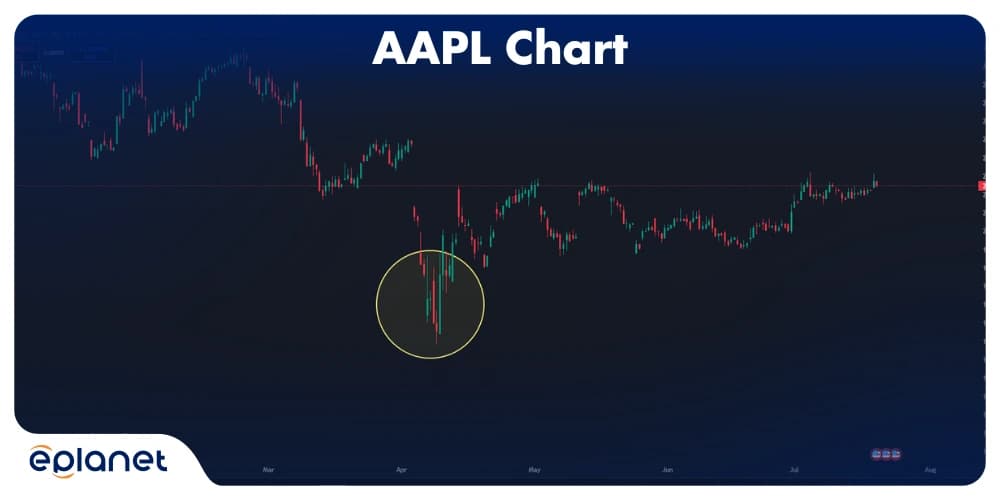
Before Apple's Q3 earnings announcement, the stock had been consolidating near $180. Retail traders were positioned for a breakout above $185 (obvious resistance) with stops below $175 (obvious support).
Smart money executed a perfect liquidity grab, pushing price down to $174 in pre-market trading, triggering thousands of stops. Then, as earnings were released and showed strong results, price rocketed to $192. Those who understood the liquidity grab pattern could have entered long positions during the grab instead of being stopped out.
Example 2: Tesla (TSLA) Sector Rotation
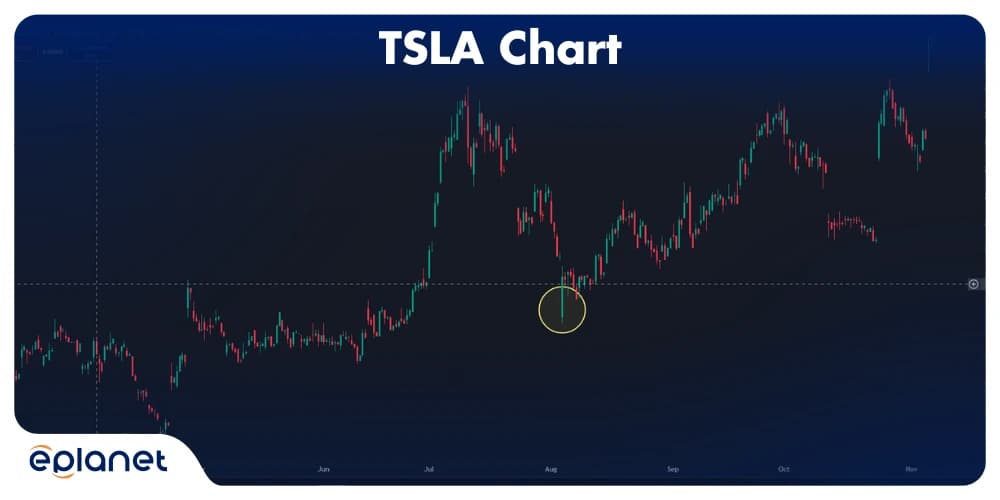
During a period of EV sector weakness, Tesla experienced a classic liquidity grab. Price had been respecting the $200 support level, with obvious retail stops placed just below at $195.
Institutional players, likely looking to accumulate Tesla shares at better prices, pushed price down to $193, triggering the stops. The massive volume spike confirmed the liquidity grab, and within days, price had recovered to $220 as smart money's accumulation phase began.
How to Identify Liquidity Grab in Forex
Forex markets offer some of the clearest liquidity grab patterns due to their decentralized nature and 24-hour trading. Here's my systematic approach to identifying these setups.
Time-Based Analysis
London Session Open (8:00 AM GMT): This is prime time for liquidity grabs. Retail traders have placed orders overnight, and smart money sweeps these levels as liquidity increases.
New York Session Open (1:00 PM GMT): Another high-probability time, especially for USD pairs. The overlap with London creates perfect conditions for institutional moves.
Asian Session Lows: Often, smart money will grab liquidity during the quiet Asian session, setting up for the main move during London or New York.
Currency-Specific Patterns
EUR/USD: Tends to show liquidity grabs around key psychological levels (1.2000, 1.1500, etc.) and ECB announcement times.
GBP/JPY: Known for volatile liquidity grabs, especially around Bank of England announcements and Brexit-related news.
USD/JPY: Often sees liquidity grabs during Bank of Japan intervention rumors or actual interventions.
Technical Setup Identification
I use a three-step process:
- Mark the Liquidity Zones: Identify where retail stops are likely clustered
- Watch for Smart Money Signals: Look for signs of institutional accumulation or distribution
- Wait for the Trigger: Be patient and wait for the actual liquidity grab to occur
Liquidity Grab vs Stop Hunting
While these terms are often used interchangeably, there are subtle but important differences between liquidity grabs and stop hunting.
Stop Hunting Characteristics
Stop hunting is typically:
- More aggressive and obvious
- Designed primarily to trigger stops
- Often followed by continuation in the hunt direction
- Usually shorter-term focused
- Less sophisticated in execution
Liquidity Grab Characteristics
Liquidity grabs are:
- More subtle and strategic
- Designed to create favorable positioning
- Often followed by reversal
- Part of a larger institutional strategy
- More sophisticated in execution
Think of stop hunting as a smash-and-grab robbery – quick, obvious, and focused on immediate results. Liquidity grabs are more like a chess game – strategic, patient, and focused on long-term positioning.
| Feature | Liquidity Grab | Stop Hunting |
|---|---|---|
| Intent | Build or exit a large institutional position | Trigger retail stops for short-term gain |
| Execution | Calculated, timed to key levels and sessions | Aggressive, often obvious in hindsight |
| Who does it | Large institutions, market makers | Smaller players, some retail brokers |
| Price behaviour after | Sharp reversal in the opposite direction | Often continues in the hunt direction |
| Duration | Minutes to hours | Minutes |
| Disguise | Looks like a genuine breakout | Looks like momentum |
| How to spot it | Volume spike + immediate reversal at a known level | Repeated probing of the same level with no follow-through |
| Trader impact | Stop triggered, then market moves your way | Stop triggered, loss taken, no recovery |
How to Profit from Liquidity Grabs
Now for the good stuff – how to actually make money from understanding these patterns. I've developed a systematic approach that has helped me turn these institutional moves into profitable opportunities.
The Fade Strategy
The most straightforward approach is to fade the liquidity grab. When you see price spike to grab liquidity, you position yourself for the reversal. My systematic approach involves first identifying the liquidity zone and waiting patiently for the grab to occur. Once I see the grab happening, I confirm it with volume analysis to ensure it's genuine. Then I enter on the reversal with tight stops and target the opposite side of the range for my profit objective.
The Follow Strategy
Sometimes, the liquidity grab is just the beginning of a larger institutional move. Instead of fading, you follow smart money's lead. This approach works particularly well when the grab breaks significant market structure, volume continues to support the new direction, multiple timeframes align with the move, and overall market sentiment supports the new direction.
Risk Management
Trading liquidity grabs requires strict risk management because you're essentially trying to pick turning points. I never risk more than 1% of my account on a single liquidity grab trade since these setups can be tricky, and you need to survive the learning curve. I always use stops, but I place them logically rather than where other retail traders would put them – that's just asking to be liquidity grabbed yourself. I also set time limits because if the setup doesn't work within a reasonable timeframe, I exit rather than letting a liquidity grab trade turn into a long-term position.
Read More: Forex risk management strategies
The Hidden Cost of a Liquidity Grab: Slippage
The general theme of discussion around liquidity drops in the markets is preventing others from performing what I call a "liquidity grab", i.e. making a large trade and either getting stopped out or running a large loss. Few talk about the effects on a trader who happens to have a stop loss sitting "inside" the move that occurs, regardless of cause.
Liquidity grabs are characterised by a fast price movement, which is considerably quicker than what a typical broker would achieve during normal market conditions. As a result, your stop loss may not necessarily be executed at the price you had set, but rather at the point where the market was floating when your order reached the front of the queue. Often, this can be considerably worse.
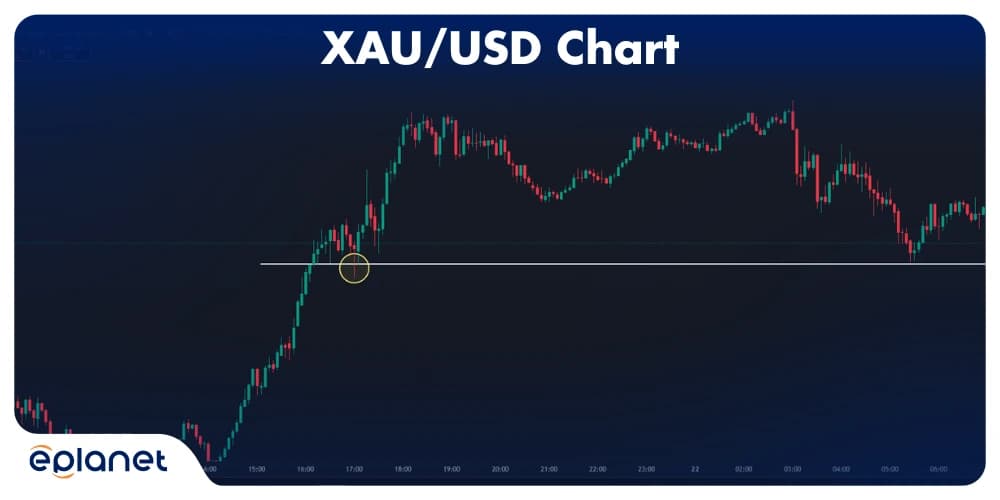
Gold trades placed during regular New York market hours, in the absence of news events and normal liquidity, have been getting hit for large losses. Stops were set at $50. Once the grab got underway, the stop was triggered for a loss of $110 plus or minus a few dollars, with no warning. More than double the intended stop loss level.
Slippage, also known as “fills,” is one of the most underreported problems faced by retail Forex traders. Even when a single transaction appears to have been executed at the expected price, there is often hidden loss embedded somewhere in the deal. When trading in large volume on a consistent basis, this can eat away at the margin of error for strategies that have been back-tested with a predefined risk per trade. For example, a trade that has a 70% win-rate and a risk-to-reward ratio of 2:1 can actually become a losing proposition if your average risk per trade is 2.2 times what you originally anticipated.
There are two critical factors always at play to protect you. One is to understand the liquidity grab scenarios so you can broaden your stops or sit it out, and two is to make sure you're trading through a brokerage that can execute trades during the most volatile times of the year. To be honest, both of these are by far more important to your bottom line than the difference between a 3 cent and 2 cent average spread on any given account type.
Best Timeframes to Spot Liquidity Grabs
Different timeframes offer different advantages for identifying and trading liquidity grabs. Here's my breakdown of the most effective approaches:
Daily Charts
Daily charts offer clear identification of major liquidity zones with less noise and false signals, making them perfect for swing trading approaches where you can easily spot institutional accumulation and distribution patterns. However, they require slower trade execution, provide less frequent opportunities, and demand more patience from traders.
4-Hour Charts
This is my sweet spot for liquidity grab trading. The 4-hour timeframe offers an excellent balance between signal clarity and frequency, aligns perfectly with major session times, provides sufficient liquidity for institutional moves, and creates manageable risk-reward ratios.
1-Hour Charts
One-hour charts provide more frequent opportunities and work well for day trading, offering quick identification of grab completion and good potential for scalping strategies. The downside is they generate more false signals, require higher stress and screen time, and demand constant monitoring.
Lower Timeframes (15-minute, 5-minute)
I generally avoid these for liquidity grab trading because they contain too much noise, produce frequent false signals, come with high transaction costs, and create emotional trading pressure that can cloud judgment.
Advanced Liquidity Grab Strategies
Once you understand the basics, you can develop more sophisticated approaches to trading these patterns.
The Multi-Timeframe Approach
I use three timeframes simultaneously, each serving a specific purpose in my analysis. The daily chart helps me identify major liquidity zones and overall trend direction. The 4-hour chart is perfect for setup identification and entry timing. The 1-hour chart provides precise entry and exit points. This approach helps filter out false signals and significantly increases the probability of successful trades.
The Sentiment Overlay
Combining liquidity grab analysis with market sentiment indicators can significantly improve your success rate. I track COT (Commitment of Traders) reports to understand institutional positioning, monitor VIX and currency volatility since high volatility often precedes liquidity grabs, and follow news flow because major announcements create perfect grab conditions.
The Correlation Game
In forex, currency correlations can help predict liquidity grabs. For example, if EUR/USD shows a liquidity grab setup, I'll check GBP/USD for confirmation. Commodity currencies often move together during grab events, and safe-haven flows can create predictable grab patterns that you can anticipate.
Common Mistakes to Avoid
After years of trading and teaching these concepts, I've seen the same mistakes repeatedly. Here are the biggest pitfalls to avoid:
Mistake 1: Trying to Predict Every Grab
Not every level will result in a liquidity grab. Sometimes price just breaks and continues. Don't force trades – wait for high-probability setups with multiple confirmation factors.
Mistake 2: Ignoring Volume
Volume is crucial for confirming liquidity grabs. Without volume analysis, you're trading blind. Always check volume patterns before entering trades.
Mistake 3: Poor Position Sizing
These trades can be volatile. Many traders risk too much on a single setup and get wiped out during the learning phase. Start small and gradually increase position sizes as you gain experience.
Mistake 4: Emotional Trading
Liquidity grabs can be frustrating because they often trigger your stops first. Don't let emotion drive your decisions. Stick to your plan and trust the process.
The Psychology Behind Liquidity Grabs
Understanding why these patterns work helps you trade them more effectively. It's all about human psychology and market dynamics.
Retail Trader Psychology
Retail traders are predictable in their behavior patterns. We naturally gravitate toward round numbers and obvious levels, consistently place stops in the same logical places, become emotional when stopped out, and often re-enter trades in the same direction after being stopped out.
Institutional Trader Psychology
Institutional traders understand retail psychology and exploit it systematically. They know exactly where retail stops cluster, have the massive capital required to move markets, think in terms of risk and reward over much longer timeframes, and use retail predictability as a strategic tool rather than fighting against it.
Market Structure Dynamics
The entire financial system is set up to favor institutional players. They have access to better information flow, enjoy significantly lower transaction costs, use more sophisticated analytical tools, and wield greater market influence. Understanding this dynamic helps you position yourself correctly – not as a victim of the system, but as someone who understands how it works and can adapt accordingly.
Read More: Trading Psychology: Master Your Mind, Master the Markets
Real-World Application
Let me share how I actually use this knowledge in my daily trading routine.
Morning Routine
Every morning, I start by checking overnight price action for potential grabs, then mark key liquidity zones on my charts. I review the economic calendar for potential trigger events and set alerts for key levels that might see action during the day.
During Market Hours
I focus on monitoring alert levels for potential setups, watching volume patterns around key levels, tracking institutional flow indicators, and most importantly, staying patient for high-probability opportunities rather than forcing trades.
End-of-Day Analysis
After markets close, I review the day's liquidity grab events to see what worked and what didn't. I update my liquidity zone markers based on new price action, plan for tomorrow's potential setups, and journal any lessons learned to improve my approach.
Liquidity Grab PDF Guide
Before we continue on our journey of exploring liquidity grab trading strategies, I just wanted to let you guys know that I wrote a pretty in depth guide on the topic and provided a PDF with liquidity grab patterns, charts, and case studies. It’s been getting a great amount of traffic and positive feedback so I highly recommend giving it a read for those that want to expand their knowledge.
The Liquidity Grab PDF comes with a bunch of visual examples that illustrate how to spot these trades. It’s nice because I explained everything already, but these examples help to illustrate real-life scenarios with annotated charts to show where the grab occurs and how it plays out.
As a serious trader of liquidity grab trades, you will find the following PDF extremely useful in improving your skills. It not only explains what are liquidity grab trades, it provides real-life examples that you can study and learn from. The PDF is full of visual diagrams to enhance your learning and it would be particularly useful in helping you identify chart patterns as well as acclimating yourself on how smart money trades in various market conditions.
The Future of Liquidity Grab Trading
As more people read this post, the trade setups may become less effective, but some things are eternal and the concepts presented here are based on fairly immutable principles of how institutional players require liquidity and how retail traders trade in a fairly predictable manner.
Technological Evolution
We could see the emergence of some new grab patterns within Algorithmic trading, potentially utilizing AI technologies to process and react to information much faster than is currently done within Algorithmic strategies. The institutional investors are becoming more educated on these topics, and as a result they are having to learn how to profit from these complex trades in a more efficient manner. Thus they will not be as obvious or as easy to spot as they are today.
Market Structure Changes
It's likely that increased transparency as a result of new regulations will uncover hidden positions held by institutions creating for potentially difficult to navigate market trends. As the DeFi market creates entirely new liquidity dynamics it's early days to say whether the structures are robust enough. Central Bank Digital Currencies (CBDCs) are beginning to be piloted and may fundamentally change the nature of the liquidity grab in traditional markets.
Frequently Asked Questions
What is a liquidity grab in trading?
A liquidity grab is when big investors make a large price move in a fast shot trade, to generate a series of clusters of retail stop-loss orders at various levels including past swing highs and lows, round numbers and obvious support and resistance lines. After harvesting the stops, the price would make a sharp reverse move in the opposite direction. Such a price move serves the purpose of the institutions to garner sufficient liquidity so that they can either build up a large position or liquidate an already established one with minimal loss due to slippage.
How do I know if a move is a liquidity grab or a real breakout?
Watch volume behaviour after the initial move. A genuine breakout sustains elevated volume and continues in the breakout direction. A liquidity grab shows a sharp volume spike followed by declining volume and an immediate reversal back into the range. The speed of the reversal is the clearest signal — real breakouts don't snap back in minutes.
Do liquidity grabs occur more frequently at certain times of day?
While there are still periods at the open closes (especially London 8:00AM GMT and New York 1:00PM GMT) where one might expect to find ample levels of liquidity, in reality these are the highest probability windows for large liquidity grabs. Also, never underestimate the power of a major economic release approaching (FOMC decision, Non-Farm Payrolls, etc.) as the buildup to such events can produce incredible levels of stop movement and thus liquidity.
Can slippage make a liquidity grab more damaging than expected?
Significantly, price movement during a grab is fast enough that stop-loss orders often get filled at the worse part of the drop. A stop set for a $50 loss might get hit for a $60 loss, or worse, a $110 loss, due to poor execution during these fast-moving events. So, understanding grab conditions is not just important for the seller of a great trade setup. It’s important for the real risk per trade.
Is a liquidity grab the same as stop hunting?
Stop hunting and a liquidity grab are related, but they are not the same thing. Stop hunting is a short-term, aggressive activity, and part of a continuing trend. A liquidity grab, on the other hand, is a tactical move to gather liquidity prior to the establishment of a large institutional position, and is invariably followed by a sharp reversal in price. This is a fundamentally different dynamic than the stop hunting activity which is opportunistic and tends to follow the immediate moment, as against a liquidity grab which is positional.
How do I protect my stops from liquidity grabs?
Remember to set stops off of market structure. Do not set your stops at the exact same level that all of the “Average Retail” trader has set his stops. These levels are the first target in any trade and should be no more than a couple of points away from the initial transaction price. Stops placed at a bit of a distance from these obvious levels, and based on a real reason for the stop, are tougher to get taken out of on the initial spike down or up.
Conclusion
Awareness of liquidity grabs is important for traders to understand in order to give them the edge that they are looking for in the market. What is a liquidity grab you ask? A liquidity grab is a common occurrence in financial markets and can happen on any instrument, at any time.
Most traders have been caught out by a stop running or a breakout failing at some stage. Even experienced traders get caught out from time to time. Recognising that a trade has been caught out in such a way, before it happens, will give you an edge in the market.
Sometimes it is better to trade with the institutions rather than against them, and by recognising their influence on the market, you can gain an edge by getting in early or going the opposite way. Don't get me wrong, it is not easy to trade with the flow and institutions, and it can sometimes be downright dangerous. However, having a good understanding of how the institutions operate and are influenced can greatly enhance your trading.
The key is to place your stops based on good logical reasoning rather than simply basing them on where others have placed theirs. Once you have recognised a spike or movement in price, you should have a good idea of whether it is a liquidity grab or not.
Often, it only takes one or two instances of a liquidity grab to be aware of it for life, and the next time it occurs, you will be on high alert for it. Build awareness of liquidity grabs on smaller charts and with smaller lot sizes before trading with real money. The pattern will repeat itself numerous times, so be prepared.